
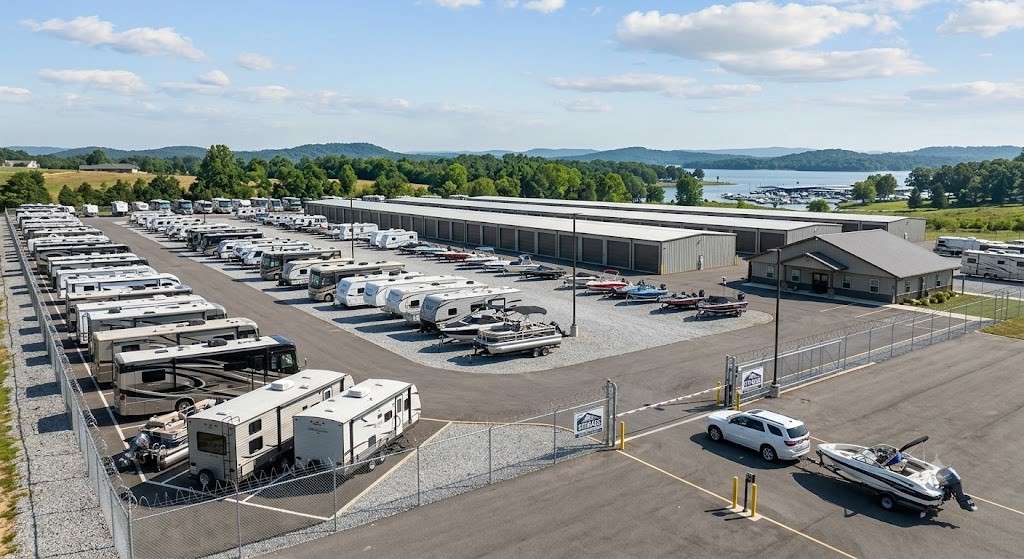
Your driveway was never built to store your largest weekend toys.
You buy a pontoon boat or camperto build great memories. Yet the moment you park that rig at home, the real headaches begin. You lose two main parking spots. Your spouse hates backing past it each morning. Worst of all, you spend all week worrying about sun, rain, and thieves.
Home storage feels free. In the real world, it costs you plenty.
Here’s the thing. Storing big rigs takes space, heavy security, and real care. Professional storage facilities solve these headaches through smart layouts and tough security. Standard homes simply cannot match that level of care. Let’s look at why moving your rig to a secure yard makes sense.
 Why Is Storing a Boat or RV at Home a Problem?
Most home lots cannot handle big trailers.
First, look at local rules. Neighborhood groups and town inspectors love to write tickets for parked trailers. Many towns ban campers in driveways if they sit more than three days. Even if your street allows it, neighbors often hate looking at a giant camper.
Next, look at the physical damage to your yard. Heavy boat trailers sink right into soft turf. They leave deep ruts and kill your lawn. In hot sun, driveway asphalt turns soft. Heavy trailer jacks punch deep holes straight through the blacktop.
Weather makes things worse. Parking under yard trees drops sticky sap, pine cones, and bird waste. All of that trash eats right into your boat finish.
Think about basic yard care too. Mowing your lawn turns into a chore when you must dodge a trailer hitch. Weed trimmers throw loose stones against your clean hull. You risk chipping gelcoat every time you cut your grass.
A famous personality of Miami once parked his boat beside his garage to save cash. Three months later, field mice moved into the hull. The rodents chewed clean through the main engine wire harness. That small mistake cost him $1,600 in shop repairs. Home parking is usually a costly trap.
A simple porch light will not stop a thief.
Home driveways are soft targets for gear thieves. A thief can back a truck up to your hitch in dark silence. With a battery grinder, they cut a tongue lock in thirty seconds flat. Before you even wake up, your trailer is gone. Most doorbell cameras only catch a blurry shadow fifty feet away.
Professional storage facilities use layered defenses to shut down thieves fast.
What this means for you is true peace of mind. A secure yard usually uses tall perimeter chain-link fencing that’s topped with barbed wire, or those sharp little extras. You have to type in a private code into the electronic gate keypad to get in, and make sure it’s correct. If a truck tries to tailgate behind you, smart gate sensors alert the team at once.
Secure yards also run clear video cameras along every drive lane. These systems record day and night with infrared night vision. Tall light poles flood the yard with bright light, leaving zero dark corners to hide.
Thieves want fast jobs with no risk. They steer clear of locked facilities that film every face and log every vehicle.
 What Maneuvering and Layout Advantages Do Facilities Provide?
Backing a long trailer into a tight driveway will test any driver.
You dodge cars parked along the curb and watch for fire hydrants. You pray you do not hit your neighbor’s brick mailbox. One tight turn can scrape a rim or tear off a trailer light.
Professional storage facilities take that pain away completely.
Engineers build these sites for big rigs. The main drive lanes run thirty to fifty feet wide. That gives you huge space to swing your truck and guide your trailer. You pull in, swing wide, and back straight into your spot on solid ground.
That said, the quick start to your weekend is the best perk.
When you want to hit the lake on Saturday, you hook up and leave in five minutes.
Let’s look at how home parking stacks up against professional storage facilities:
| Key Feature | Home Driveway or Backyard | Professional Storage Facilities |
| Perimeter Security | Low; open to any street walker | High; tall perimeter fences and locked gates |
| Access Control | None; open hitch access for thieves | Personalized digital keypad codes at all times |
| Camera Coverage | Basic doorbell lens with weak range | Crisp high-definition video on every drive lane |
| Turn Clearance | Tight turns with trees and parked cars | Wide drive lanes built for long trailers |
| HOA Compliance | Constant risk of town or HOA fines | Zero city rules, zero neighbor complaints |
| Ground Quality | Soft dirt, mud ruts, and dying lawn | Solid gravel pads that drain rainwater fast |
Your toys lose value fast when left out in a back lot.
When you park a trailer on grass, damp air rises from the soil day and night. That wet mist creeps up into your brake drums, frame rails, and wood deck. Pests also use tall grass as a bridge straight into your engine bay and seats.
Professional storage facilities invest in solid site care and quick drainage. Elevated stone pads shed rain fast. This setup keeps the underside of your frame dry and free from rust. Staff members also trim grass lines, wiping out the weeds where rodents like to nest.
What this means for you is long life for your gear. Your tires rest on clean rock instead of damp soil. Your boat stays clean without yard sprinklers spraying hard water on the glass. You spend less time washing grime and more time out on the water.
You worked hard to buy your boat, camper, or utility trailer. Leaving it squeezed into a tight driveway or tucked in a damp backyard invites theft, weather rot, and neighborhood complaints. When you want real security, wide turn lanes, and complete peace of mind, trust the team at All Lakes Storage . Check out our secure Fenton options and give your favorite toys the dedicated home they deserve.
Look for tall perimeter fences, automated keypad gates, bright yard lights, and clear video cameras that watch all drive rows non-stop to keep your gear safe day and night.
Yes. Heavy camper tires can crack thin home driveways or sink into asphalt. Ground dampness, yard pests, and falling tree limbs also cause quick wear to hulls and roofs.
Most top facilities grant secure gate access seven days a week, all year round. You can easily pick up or drop off your rig whenever your travel plans require.
Facilities use clean stone lots free from tall weeds, brush, and scrap piles. This dry, open space removes natural rodent cover and stops pests from nesting in your parked rig.
 Optimized by Seraphinite Accelerator

